
Field Trip to Fire Station

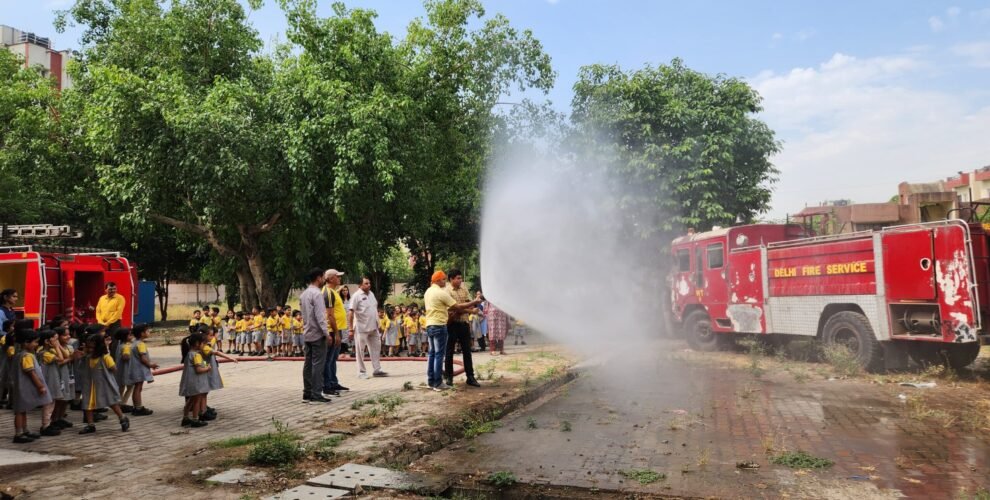
Field trips provide students with experiential learning opportunities by connecting classroom learning to the real world. Students of the Class KG went on a field trip to the Fire Station on Friday, 26 April 2024. The objective of this field trip was to create awareness about the importance of community helpers in our lives. Firemen shared with students how they face any tough situation together as a team. Students were briefed about different types of extinguishers, cutting machines, and other tools used by the firefighters through practical demonstration. They were also educated about the fire tender, the ladder used to reach heights, and how water is sprayed through the hose pipe to put off the fire. It was a learning and fun filled experience for the students.
Earth Day Celebration

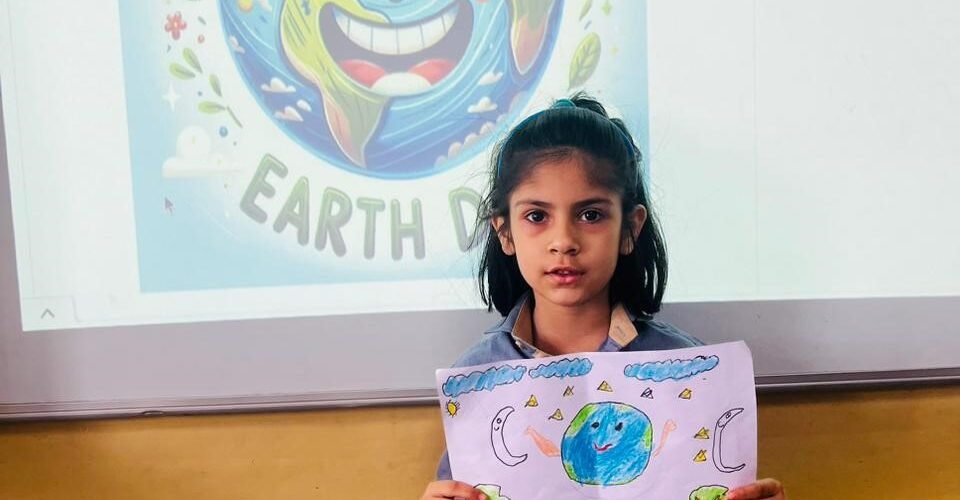
The Earth Day celebration by Classes I and II was an engaging and educational activity, showcasing the students’ dedication to environmental awareness and creativity. The students took part in a poem recitation competition with the topic “My Earth, My Home” in an effort to understand and appreciate the significance of Earth Day. Their captivating poems were recited beautifully with the help of innovative props and costumes. The students were also showcased their creativity by coloring Earth Day-themed worksheet. The Earth Day celebration by both the classes was a success, highlighting the students’ enthusiasm for learning and their dedication to preserving our planet for future generations.
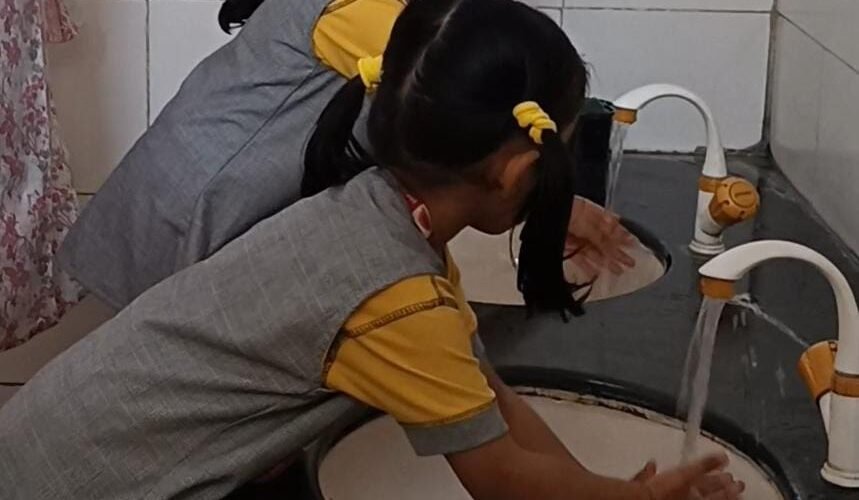
“Clean hands, happy hearts! Join us in the bubbly adventure of hand hygiene.” #kindergarten #explore #handsonlearning #Experientiallearning

Embrace habits that elevate your life.

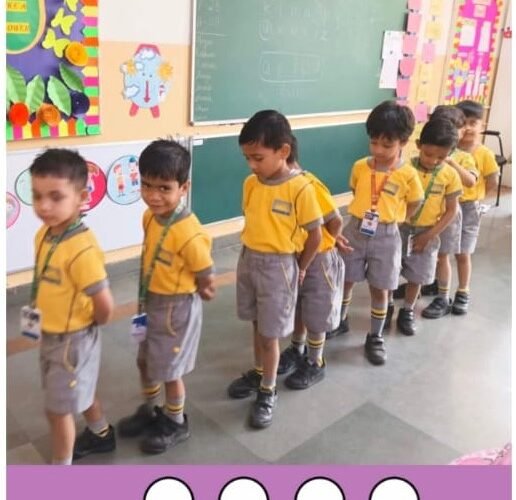
Growing greener, one step at a time! Celebrating Earth Day with our tiny eco-warriors.

Collaborative Celebration of World Heritage Day

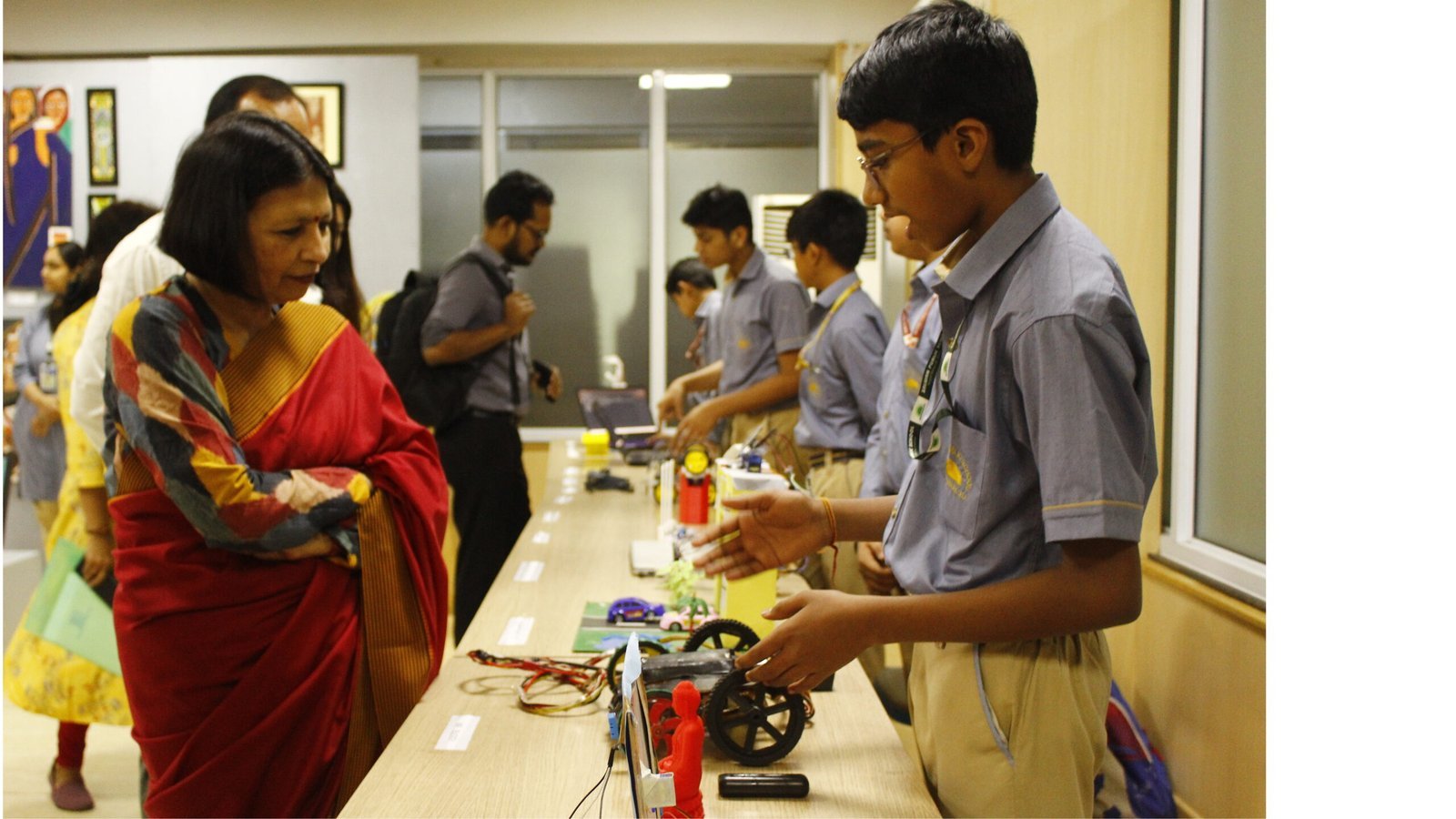
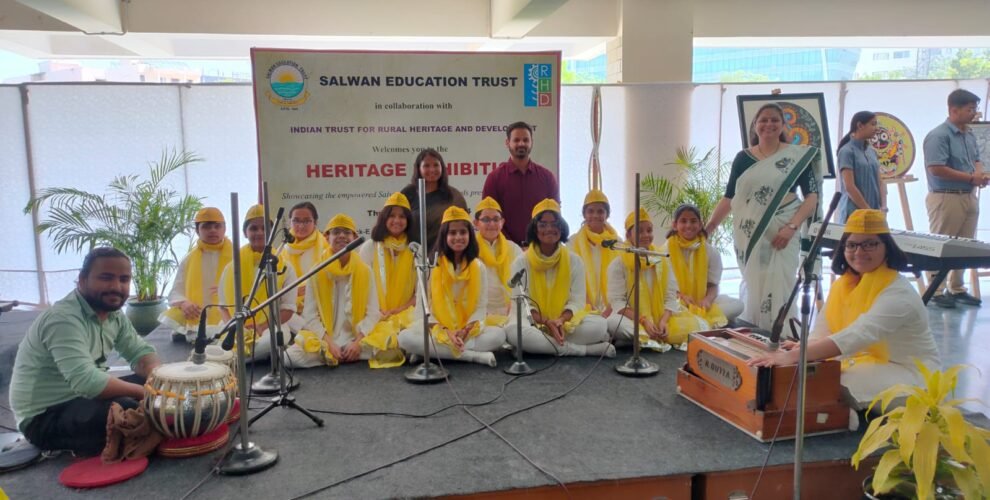
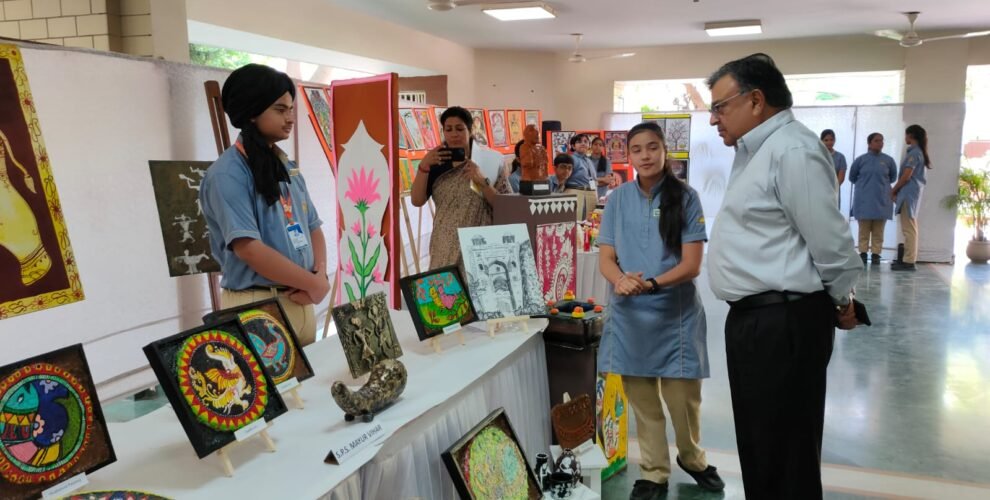
Chief Guest: Mr Madan Sawhney a Freelancer Educational Motivator, CBSE Master Trainer and Ms Leher Zaidi Author, an Epidemiologist and freelance journalist, Member of Sanjhi Virasat. Heritage club Students and Art, Music, Social Science teachers – Salwan public School Mayur Vihar The commemorative event held on April 18, 2024, at Salwan Public School (SPS) Gurugram, in collaboration with its sister schools, stands out as a grand event of celebration and appreciation for cultural heritage on World Heritage Day. Through a diverse array of artistic expressions and engaging discussions, the event encapsulated the essence of cultural richness and historical significance. The focal point of the occasion was an art exhibition featuring meticulously crafted historical artworks created by students. Under the careful guidance of the art department and heritage team, these exhibits seamlessly integrated artistic prowess with cultural heritage. From ancient artifacts to clay tablets and sketches of iconic Shere Mandal sculptures, each piece offered a captivating glimpse into India’s diverse cultural legacy. Guests were taken on a journey through time, experiencing the richness and depth of the country’s historical story. Adding a soul-stirring dimension to the celebration was the musical presentation, particularly the mesmerizing Qawwali performance. Through spiritual themes and soulful melodies, the students captivated the audience, fostering a contemplative atmosphere where the essence of cultural heritage resonated deeply with all present. Moreover, the dialogue sessions facilitated by the heritage team provided invaluable insights into the significance of preserving and promoting cultural heritage. Attendees had the opportunity to engage in meaningful discussions, gaining a deeper understanding of the importance of safeguarding our shared heritage for future generations. Ahana Salwan and Mohd Saad’s notable contributions further enriched these conversations, elevating the discourse with their insightful perspectives and inspiring presentations. In essence, the event served as a holistic celebration of cultural heritage, weaving together art, music, and dialogue to create an immersive and enlightening experience for all participants. By fostering a deeper appreciation for cultural heritage, the event not only honored the past but also laid the foundation for a more informed and culturally enriched future.
Inner Engineering and “Isha Kriya” meditation

Eco club organised a session on Inner Engineering and “Isha Kriya” meditation on 20 April 2024 in the school. Maa Sandhya, a nine-year member of Isha Foundation, led the session and introduced participants to Sadhguru’s transformative practice. “Isha Kriya” aims to develop mental clarity, focus, and inner peace. Attendees experienced its benefits and gained insights into meditation’s role in emotional wellness. The session empowered participants with tools for resilience and inner strength.
World Heritage Day

On the occasion of World Heritage Day Salwan Public School Mayur Vihar showcased a historical artwork at SPS Gurugram. The exhibits beautifully integrated art and heritage, showcasing the extraordinary work of the students under the adept guidance of the art department and heritage team. Followed by the expertise of Music department creating a soulful presentation Sung by the students developed a spiritual exploration Qawwali which created a same for the audience. The dialogue with the heritage team was enriching and informative. Ahana Salwan, representing Salwan Mayur Vihar, engaged with the panelists, captivating the audience with her speech. Mohd Saad’s Presentation on annual report of heritage club was particularly inspiring and highly appreciated by the chief guest and all. Program remained a success under the leadership and direction of our Principal, Salwan Mayur Vihar stood tall with pride.
SAFAL Training by CBSE

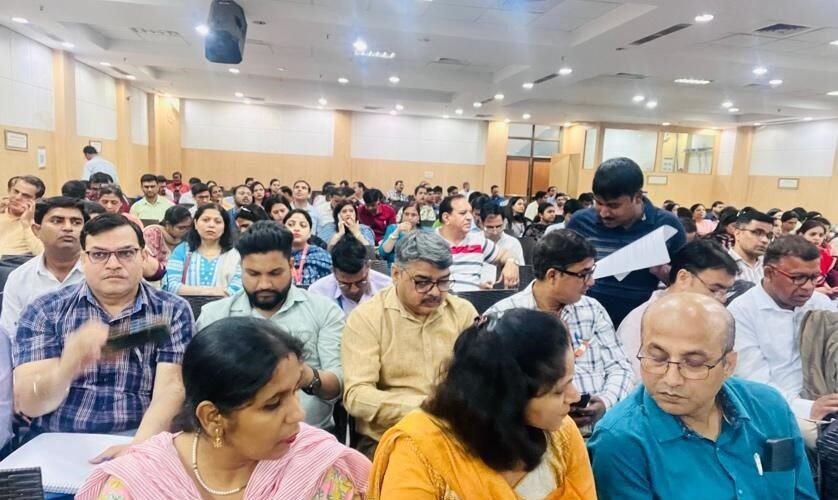
he Central Board of Secondary Education (CBSE) recently conducted training sessions on its new initiative, SAFAL (Student’s Assessment for Analyzing Learning Levels). SAFAL is an assessment program aimed at students in classes V and VIII, designed to evaluate their learning levels comprehensively. The primary objective of SAFAL is to assess and analyze students’ learning levels effectively. By identifying areas of strength and weakness, SAFAL aims to facilitate targeted interventions to enhance learning outcomes. This initiative is aligned with CBSE’s commitment to promoting holistic education and ensuring the overall development of students. During the training sessions, it was revealed that SAFAL will undergo a pilot phase in more than 10,000 schools across the country. This extensive pilot phase aims to gather valuable insights and feedback from a diverse range of educational institutions, allowing for refinement and improvement of the assessment framework. Participants were briefed on the technical specifications of the SAFAL assessment platform. Additionally, potential challenges and troubleshooting methods were discussed to ensure smooth conduct of the assessment process. Emphasis was placed on addressing technical issues promptly to minimize disruptions during the examination. School administrators were informed that participation in SAFAL necessitates the signing of a confidentiality agreement. This agreement underscores the importance of maintaining the integrity and confidentiality of the assessment process, thereby ensuring fairness and transparency. The training sessions provided detailed insights into the examination process, including the steps involved and the roles of various stakeholders. Participants were acquainted with the logistics of conducting the examination, from registration to result declaration. Prior to the official SAFAL assessment in July, mock examinations will be conducted to familiarize students and educators with the examination format and procedures. Overall, this session provided valuable insights and guidance to schools participating in this initiative.
Two Days’ Online Training Programme for Teachers of schools affiliated to CBSE- reg. (Day-1)

Platform: YouTube On 15 April 2024 and 16 April 2024, a two-day online training program for teachers from schools affiliated with CBSE was organized jointly by CBSE and NCERT. The purpose of this program was to facilitate a seamless transition for teachers and students from old to new textbooks in classes 3 and 6. The program moderator extended a warm welcome to all participants attending a two-day online training program for teachers from CBSE-affiliated schools, jointly organized by CBSE and NCERT. She introduced Dr. Ram Shankar, Director of Training at CBSE Headquarters, who in turn welcomed Dr. Dinesh Prasad Saklani, Director of NCERT, along with distinguished guests such as Mr. Gupta, Secretary of CBSE, Mr. Anurag Bahar, Shri Manjul Bhargava, Prof. Ranjana Arora, Prof. Dr. Suniti Swar, Dr. Romila Bhatnagar, Dr. Atul Dubey, Dr. S. Banerjee, and other faculty members and experts from CBSE. Professor Dinesh Prasad Saklani provided a concise overview of the books, emphasizing its child-friendly design to enhance the learning experience. He highlighted that the books were crafted with the NEP 2020 guidelines in mind, ensuring that children find joy and enthusiasm in their studies through these materials. He emphasized the crucial role that teachers will play in facilitating this transition, serving as the vital link between students, schools, and parents. The Continuous Professional Development (CPD) training is a pivotal component of this process. Teachers are entrusted with the responsibility of carrying this knowledge forward into classrooms, where they have the opportunity to make a significant impact on each child’s life. Mr. Himasnshu Gupta, Secretary, CBSE spoke about the importance of Teachers Training. emphasized that Principals and Teachers should be familiar with the content developed by CBSE and understand the vision of NCF. He stressed upon the need for teachers to engage deeply with the content, take notes, discuss with colleagues, and innovate in their teaching methods to make classroom learning more enjoyable and inclusive for all students. The goal is to avoid a boring, one-size-fits-all approach and instead cater to the diverse levels and needs of students through engaging activities and strategies. He encouraged participation in training programs. Mr. Anurag Bahar, a member of the NCF committee, emphasized that textbooks serve as facilitators in achieving learning outcomes. Each chapter and section is designed with specific learning objectives in mind, focusing on developing capacities and skills. He highlighted the alignment of these books with the National Curriculum Framework for School Education (NCFSE), stating that the decision to revamp textbooks for Classes 3 and 6 was driven by the need for curriculum alignment. Class 3 represents the preparatory stage, while Class 6 marks the beginning of the middle stages, necessitating an updated curriculum. These textbooks prioritize learning outcomes and are seen as windows to the outside world, offering valuable insights beyond just the content within them. Mr. Sandeep Jain, Joint Secretary CBSE Headquarters delivered a vote of thanks. Professor Suniti Sangwal, Head of the Department of Elementary Education, along with Assistant Professor Mr. Neelkanth, introduced five books: Veena for Hindi, Santoor for English, Maths Mela for Mathematics, World Around Us for EVS, and Sitar for Urdu. Professor Neelkanth mentioned that we’re stepping into a new era of books characterized by vibrant covers and diverse themes. The more students engage with these books, the more enjoyable their learning experience becomes. These books are visually appealing, with child-friendly content that considers various aspects during their creation. Prof. Neelkahnth highlighted different units in the Hindi book that help children learn about their surroundings in a playful manner. The books cover a wide range of topics from all corners of our country, promoting cultural awareness and unity in diversity. Emphasizing the importance of language skills, the speaker mentioned that a child’s ability to comprehend their environment contributes to the development of Listening, Speaking, Reading, and Writing (LSRW) skills. The poems included are relatable to children, and written in an easy-to-understand language, and the books offer a mix of short stories and poems for students to enjoy. Various exercises are designed with the child in mind, providing opportunities for them to express themselves. Grammar exercises related to each chapter are included to help enhance students’ language skills. The English book is structured into four units: Picture Reading, Poetry, Prose 1, and Prose 2, each comprising three lessons. Picture reading encourages students to observe and interpret images, making connections to real-life situations or events. They can express their thoughts through spoken or written lines, fostering language development. The poetry section provides opportunities for critical thinking, relationship building, engaging in related activities, speaking, and learning grammar through various exercises. The prose lessons encourage students to think critically, practice speaking and listening skills, develop writing abilities, and engage in practical activities. The book also incorporates chapters on festivals, celebrations, art and craft activities, and themes related to national pride to instill patriotism among students. The Urdu book discussed in the meeting is designed for schools where Urdu is the medium of instruction or is taught as a language. Dr. Chaman Ara explained the book “Sitar,” which is rooted in Indian culture and divided into themes. Dr. Romila Bhatnagar, the coordinator and professor of the Department of Elementary Education, introduced the EVS book “The World Around Us” (TWAU). This book, based on NEP 2020 and NCFSE 2023, aims to evoke scientific temperament in students by encouraging them to learn from their surroundings. It is a textbook cum activity book divided into four units, each with three chapters. The book employs toy-based pedagogy and focuses on active participation, discussions, creativity, collaboration, and skills development. “The World Around Us” allows children to explore and innovate, with each chapter starting with visuals to connect with the child. It includes inbuilt assessments, a variety of activities, simple language, and short sentences. The book emphasises active participation, discussion, creativity, collaboration, and skills development, promoting meaningful and engaged learning relevant to daily life. Mrs. Suniti Sangwan, Chairman of the Department of Elementary Education, reiterated that the transition between grades is smooth, ensuring